If you have a garden patch of soil that gets six or more hours of sun per day, consider yourself very fortunate; you have your pick of a vast array of flowers that will thrive in your summer garden.
As an added bonus, most sun-loving flowers are also easy-care and somewhat drought tolerant. From tropical to woodland flowers, the full-sun gardener will have no problem finding color for her garden.
Coreopsis (Coreopsis spp.)
This plant lives for sunshine. The coreopsis is, after all, related to the sunflower. The yellow and red flowers look a bit more like daisies than sunflowers, attract butterflies, and grow on stalks that can reach 4 feet in height.
Coreopsis loves warm weather and is generally drought-tolerant. It is hardy to USDA zones 3 to 9.
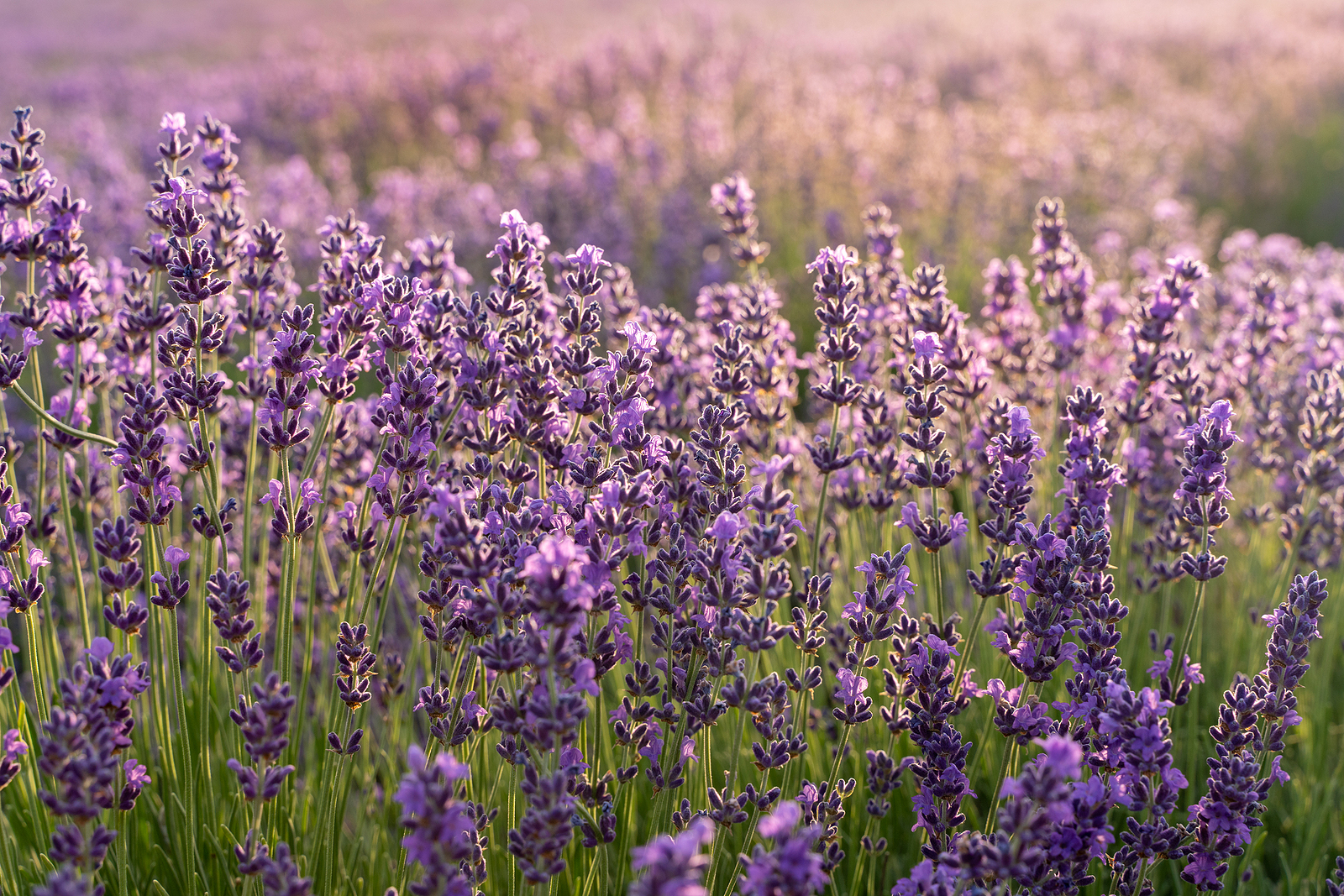
Lavender (Lavandula spp)
Growing lavender, either in the garden or in pots on the patio, is like living next door to a perfumery. Lavender boasts a highly fragrant flower, and the more alkaline the soil, the stronger the aroma will get.
Lavender thrives in full, warm sun, isn’t particular about the soil and, once established, it is drought-tolerant. You can grow lavender in USDA zones 5a to 9b.
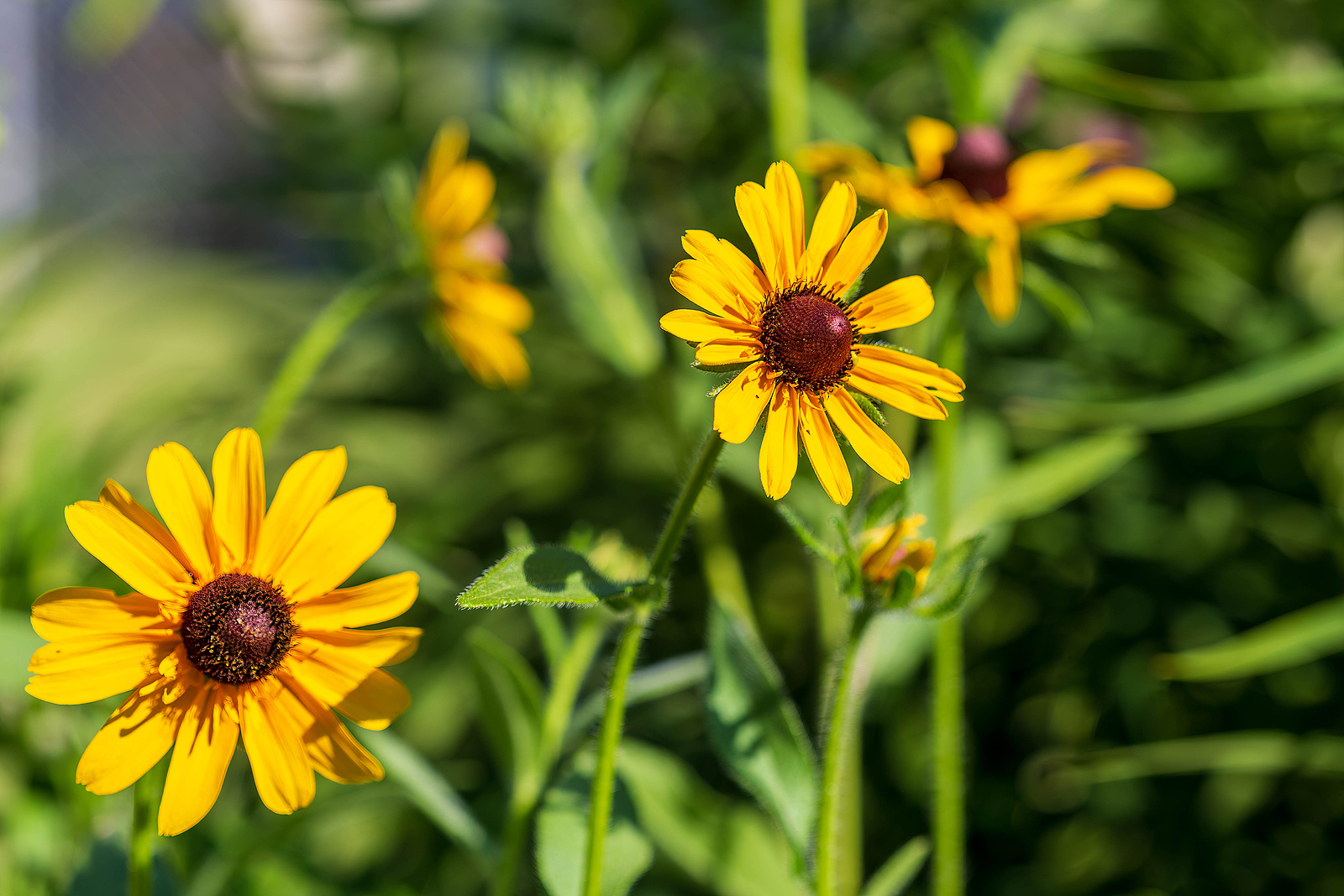
Black-Eyed Susan (Rudbeckia hirta)
When you plant black-eyed Susan you will also get the bees, butterflies and birds who are highly attracted to this plant. The yellow, daisy-like flower has a dark, almost black center.
The black-eyed Susan needs full sun, will grow to 36 inches in height and blooms profusely in mid-summer to early fall. Hardy to USDA zones 5a to 10b.
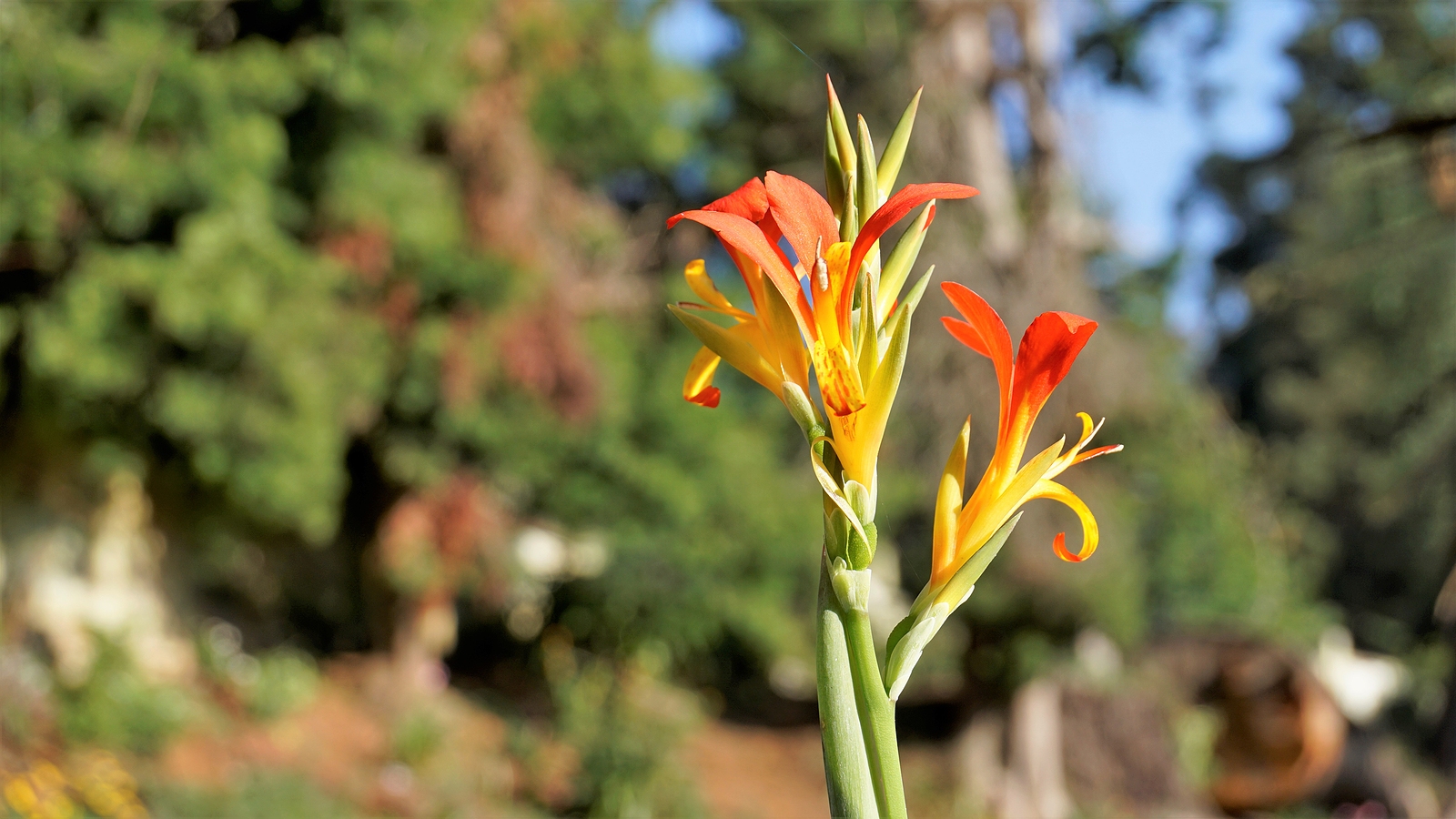
Canna lily (Canna spp.)
If you long for a more tropical-looking vibe for your garden, you can’t go wrong with a canna lily or two.
With banana-like leaves and an abundance of tropical colored flowers from which to choose, the canna is a true showoff. And, by the way, despite its name, it is not a true lily.
In regions with cold, icy winters, canna rhizomes are typically planted in the garden after the last frost date. Gardeners in warm regions often leave them in the soil over the winter.
Canna lilies thrive in USDA hardiness zones 8 through 11.
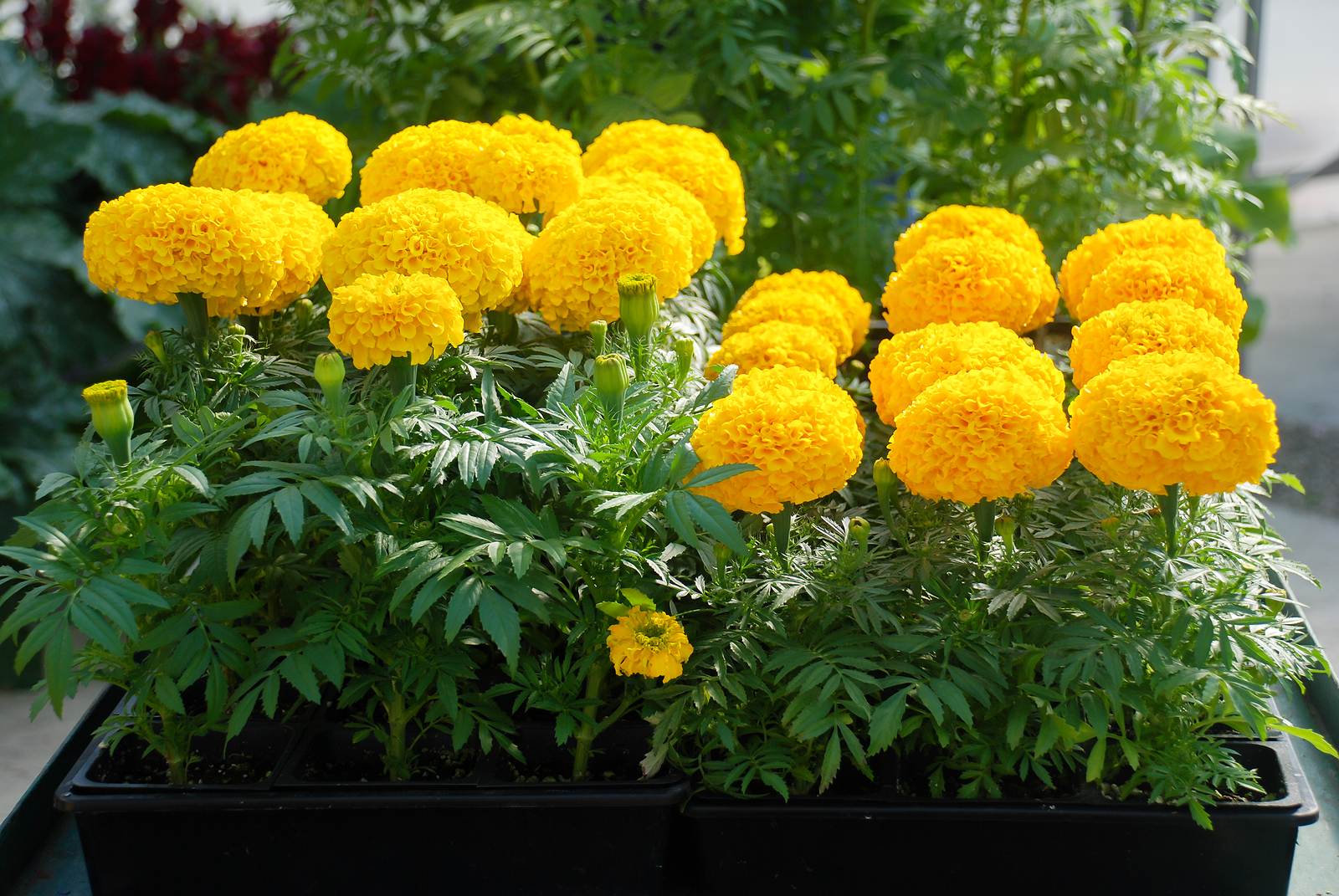
Marigold (Tagetes spp.)
The term “marigold” covers a diverse array of plant sizes and shapes. Plant height can range from 6 inches to 3 feet and flowers can resemble pom-poms, anemones or daisies.
Marigolds grow well in USDA planting zones 2 – 11.
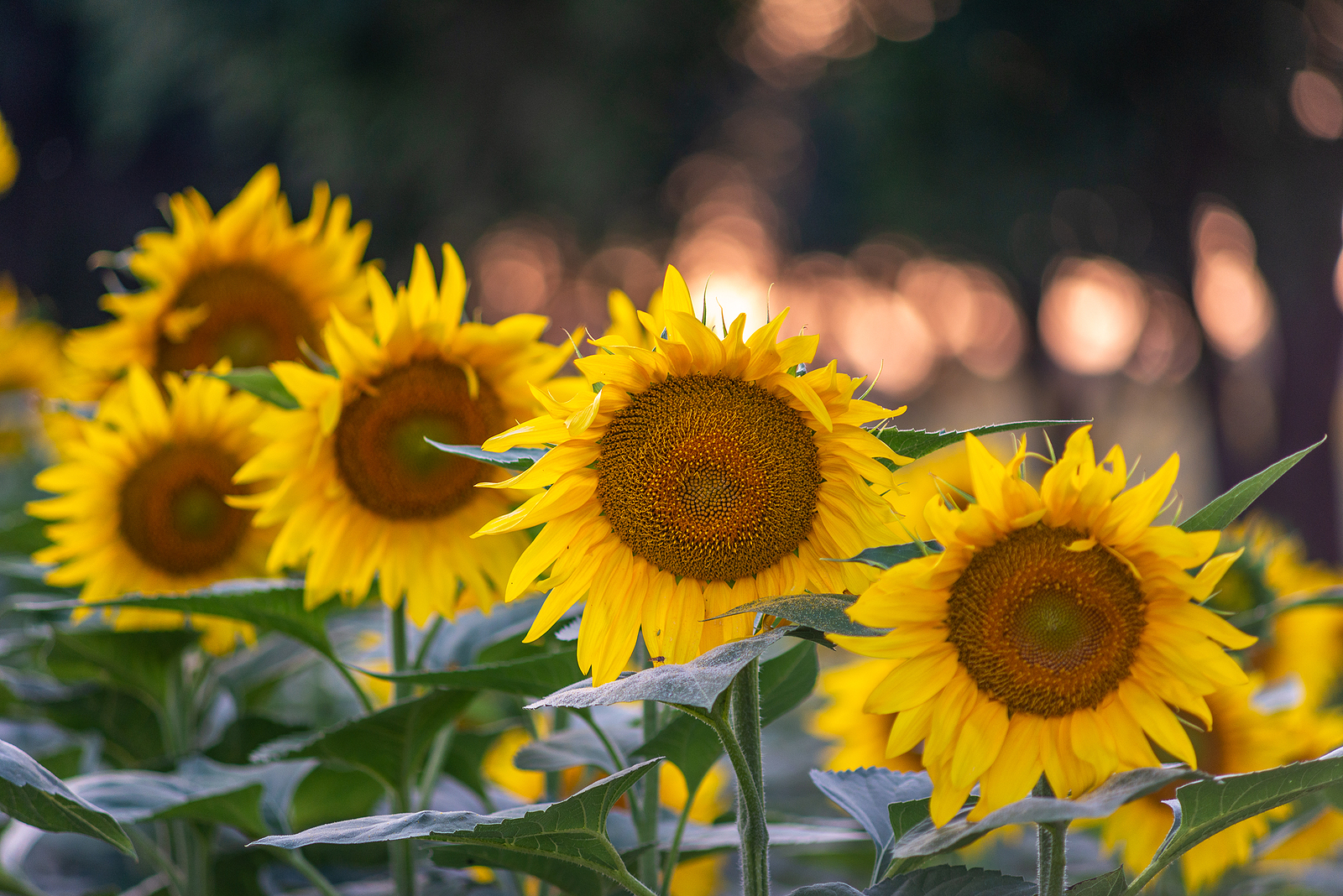
Sunflower (Helianthus annuus)
No list of sun-loving flowers would be complete without mentioning the sunflower. It’s name says it all, right?
Native to North America, the sunflower’s ideal climate is arid with temperatures between 70 and 78 degrees. Yes, you can grow them in the heat of summer, but they won’t be at their best unless given lots of water and protection from burning sun during the hottest part of the day.
Most sunflower varieties are hardy in USDA zones 4 to 9.
While all of these flowers are tolerant of the sun, if you live in the desert southwest or other areas that experience extreme heat in the summer, they may need shade during the hottest part of the day and extra moisture in the soil.